Mobile Occupational Therapy on the Gold Coast and Northern NSW
Unlock your child's full potential with personalised occupational therapy services designed to help them thrive. Experience compassionate support every step of the way, through engaging with neuroaffirming therapists who understand your child's unique needs and empower them to grow, learn, and succeed with confidence.
NDIS Registered Occupational Therapist
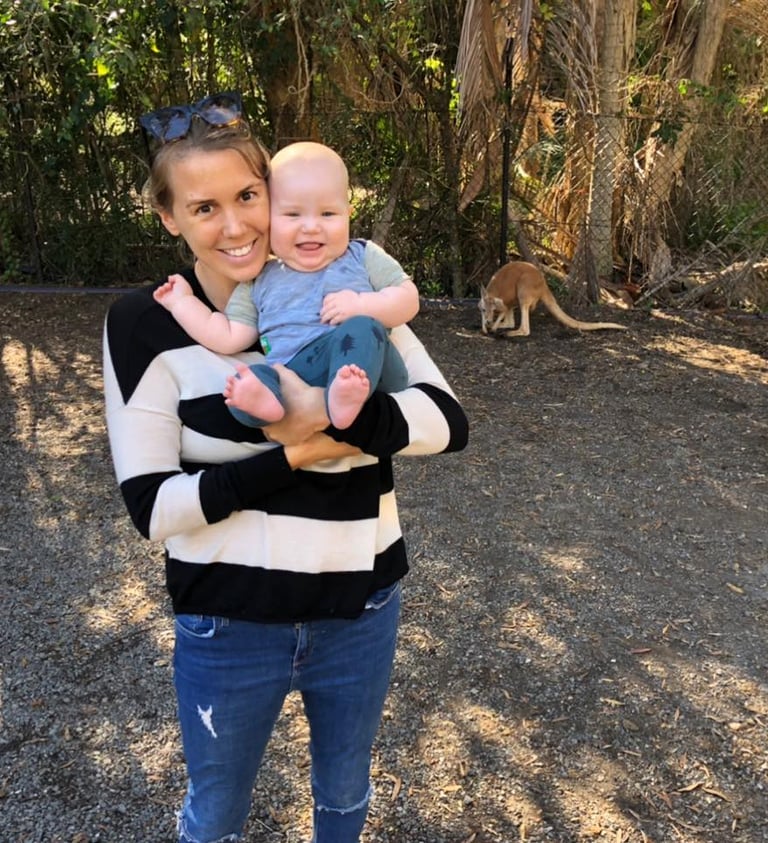
Taryn Lalic, lead Paediatric Occupational Therapist, is dedicated to helping children develop essential skills including emotional regulation, executive functioning, sensory processing, play skills, gross and fine motor abilities and handwriting. Through using multi-sensory approaches to learning, Taryn creates personalised therapy sessions that support cognitive development and strengthen the child's own unique set of skills. She complements her expertise with high-quality resources to enhance each child's experience. Taryn’s nurturing approach empowers children to thrive and reach their full potential in a supportive, engaging environment.
Taryn brings 10 years of experience working with children from diverse backgrounds and experiences. She is highly skilled in implementing evidence-based strategies to support children with a range of developmental challenges, including Autism Spectrum Disorder (ASD), Attention Deficit Hyperactivity Disorder (ADHD), Global Developmental Delay, Developmental Coordination Disorder, Cerebral Palsy and Down Syndrome.
Taryn is a registered provider with the NDIS and accepts clients with NDIS funding, as well as those with Medicare and private funding.
How we support your child
Sensory Processing
Sensory processing refers to the way the brain receives, organises, and responds to information from the senses, sight, sound, touch, taste, and movement.
Children with sensory processing differences may have difficulty responding to sensory stimuli in ways that are typical, which can impact their daily functioning.
Taryn is highly trained in supporting children with a range of sensory processing differences, helping them navigate and respond to sensory input in a more adaptive way. She is also trained in the Wilbarger Protocol, a well-established sensory intervention, and Gen Jereb’s program, which focuses on sensory integration strategies to help children regulate their sensory needs and improve their overall development. These specialised techniques enable Taryn to provide effective, tailored support to each child based on their unique sensory profile.
Fine motor skills
Fine motor skills refer to the ability to use small muscles in the hands, fingers, and wrists to perform precise movements. These skills are essential for everyday tasks such as writing, drawing, buttoning a shirt, and using utensils.
Developing strong fine motor skills is crucial for children’s independence and academic success, as it directly impacts their ability to engage in activities that require hand-eye coordination and dexterity.
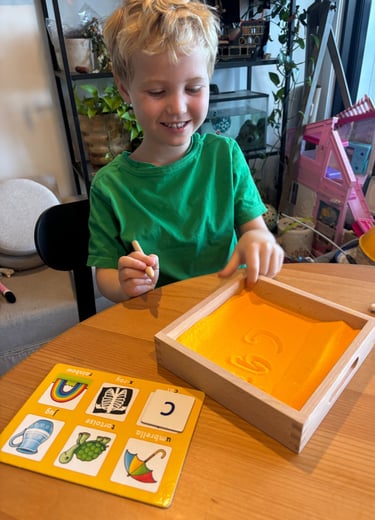
Taryn supports children in developing fine motor skills through tailored therapy that focuses on strengthening the muscles in the hands and fingers, as well as improving coordination. She ensures that core strength is considered during therapy, as a stable core is vital for proper posture and the ability to engage in fine motor tasks effectively.
By incorporating exercises that build both core strength and fine motor abilities, Taryn helps children improve their coordination, hand function, and overall confidence in performing daily tasks.
Gross Motor Skills
Gross motor skills involve the use of large muscle groups to perform activities that require whole-body movement, such as walking, running, jumping, climbing, and balancing. These skills are crucial for a child’s physical development, independence, and participation in daily activities, as well as sports and play.
Strong gross motor skills help children build confidence, enhance coordination, and promote overall health and well-being. Taryn supports children in developing gross motor skills through various tailored approaches that focus on improving balance, agility, coordination, and strength. She works with each child to design activities that challenge their motor abilities in a fun and engaging way, such as exercises that involve jumping, hopping, and climbing to improve strength and coordination.
Taryn also uses balance exercises and agility drills to help children gain control over their movements and develop better spatial awareness. Through her individualised approach, Taryn ensures that children build foundational gross motor skills to support their everyday functioning and active participation in physical activities.
Play and Social Skills
Supporting neurodivergent children in developing play and social skills is essential because these skills help children navigate social interactions, form relationships, and understand social cues in different environments. For neurodivergent children, such as those with autism or ADHD, these skills may not develop naturally, and they may face challenges in communicating, interpreting emotions, or engaging in peer relationships. By providing targeted support, children can build confidence and improve their social interactions, which are crucial for their emotional well-being, academic success, and overall quality of life.
Taryn utilises evidence-based programs like the Social Thinking We Thinkers program for younger children, and the Social Thinking and Me program for older children, both of which are designed to help children understand social expectations and improve their communication and interaction skills. These programs focus on teaching children how to recognise emotions, take perspective, and engage in reciprocal conversations, all of which are key to successful social interactions.
Taryn has also completed Karen Stagnitti's Learn to Play program, which focuses on helping children develop functional play skills through structured, therapeutic play activities. This approach allows Taryn to support children in engaging in different types of play, from solitary play to interactive, cooperative play with others, at their own developmental pace.
Emotional Regulation
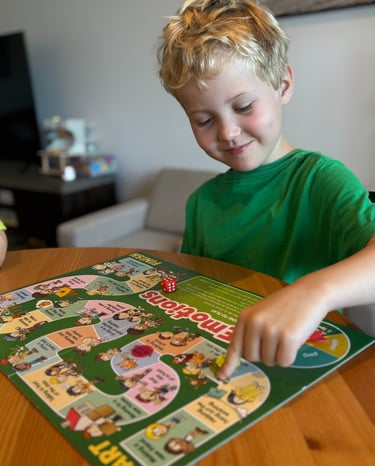
Emotional regulation is the ability to recognise, understand, and manage emotions in a healthy way. It helps children cope with challenges, navigate social interactions, and maintain self-control in stressful situations, supporting their overall well-being and resilience.
Taryn supports children in developing emotional regulation through tailored approaches, including strategies from Dr. Daniel Siegel, such as mindfulness and self-awareness, to help children better manage their emotions. She also uses co-regulation, actively engaging with the child to model healthy emotional responses. By combining these methods,
Taryn helps children build emotional resilience and thrive in everyday life.
Executive Functioning
Executive functioning refers to the cognitive skills needed to plan, organise, manage time, make decisions, and control impulses. These skills are essential for academic success, social interactions, and daily life.
Taryn supports children in developing executive functioning through Tera Sumpter’s programs, which focus on improving working memory, cognitive flexibility, and self- regulation. She also draws from the expertise of top professionals like Dr. Russell Barkley and Dr. Amishi Jha, incorporating evidence-based techniques to enhance focus, organisation, and impulse control. Through tailored strategies, Taryn helps children strengthen these critical skills for greater independence and success.